Stanley N. Christensen: Medical Laboratory Scientist and Six Decades of Precision in Patient Care
Stanley N. Christensen has spent six decades in the medical laboratory, the part of healthcare patients rarely see yet physicians depend on every day, spanning phlebotomy, hematology, clinical chemistry and blood banking.
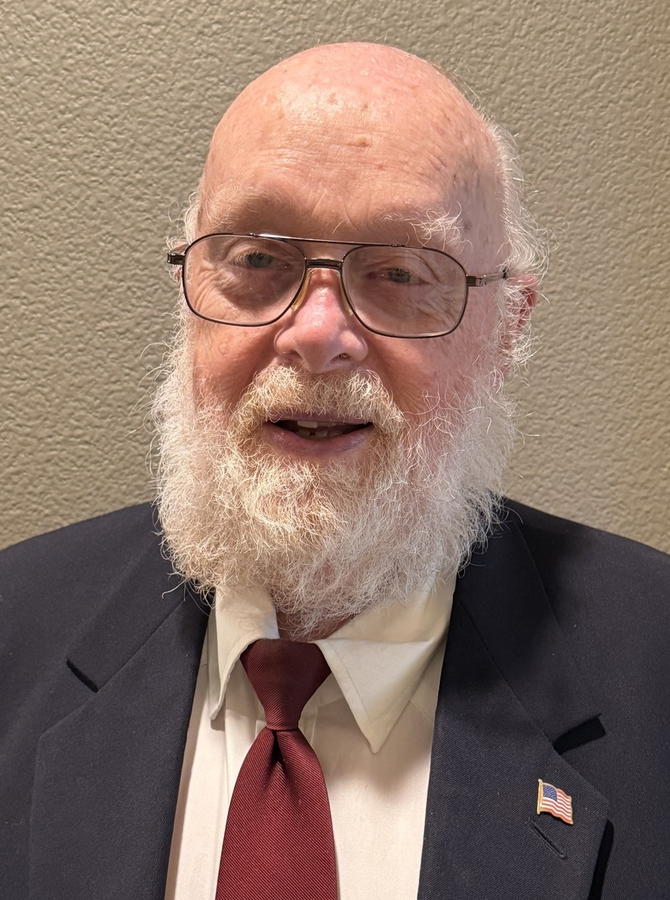
Stanley N. Christensen has spent six decades in the part of healthcare that patients rarely see, yet physicians depend on every day: the medical laboratory. His work spans phlebotomy, hematology, clinical chemistry, blood banking and the careful review of results that support diagnosis and treatment.
At Adventist Health, where he worked from 1974 to 2010, Christensen saw laboratory medicine change at its core. Early glucose tests required heating samples in test tubes over a flame. Manual steps were time-consuming and could introduce variation. As automated analyzers arrived, he helped bring new instrumentation into practice.
Most recently at Oregon Health & Science University, he collected and processed specimens, verified quality controls, evaluated findings and released results for physicians’ review. His attention to each stage reflects a simple principle: dependable diagnoses begin with dependable laboratory work.
Automation enabled laboratories to run multiple analyses at once, reducing cost and improving consistency. Christensen regards that change as one of the field’s defining advances. His long service also included 10 years at United Medical Laboratories and a decade at Tillamook Hospital, where he developed experience in specimen analysis, quality assurance and patient care.
His academic preparation brought mathematics together with laboratory science: a bachelor’s degree in mathematics from Portland State University in 1965, a bachelor’s in medical laboratory science from Warner Pacific University in 1968, and a Master of Public Health from Loma Linda University. He has remained active in the American Society for Clinical Pathology.
Christensen was born at Adventist Medical Center in Portland, OR, the site where he would later spend many years in the laboratory. The personal symmetry of that history reflects the continuity of his commitment to patients and community.
His faith in Jesus Christ is central to how he describes his life and success. He serves as a deacon and elder in his church and regularly leads services. Outside work and church, he enjoys time with his two sons and grandchildren, gardening and cultivating flowers and plants at home.
Across six decades, Christensen has adapted to new technology while holding to the same standard: every specimen, control check and released result matters to the person behind it. His career is a portrait of laboratory medicine’s evolution—and of the steady expertise that makes those advances useful in patient care.