Janet B. Arrowsmith, MD: Physician, Epidemiologist and Regulatory Consultant
Janet B. Arrowsmith, MD, is a board-certified internist and epidemiologist who has spent her career evaluating medical evidence, identifying risk, and translating complex findings into decisions that protect patients — from FDA service to Arrowsmith Consulting, LLC, in Corrales, NM.
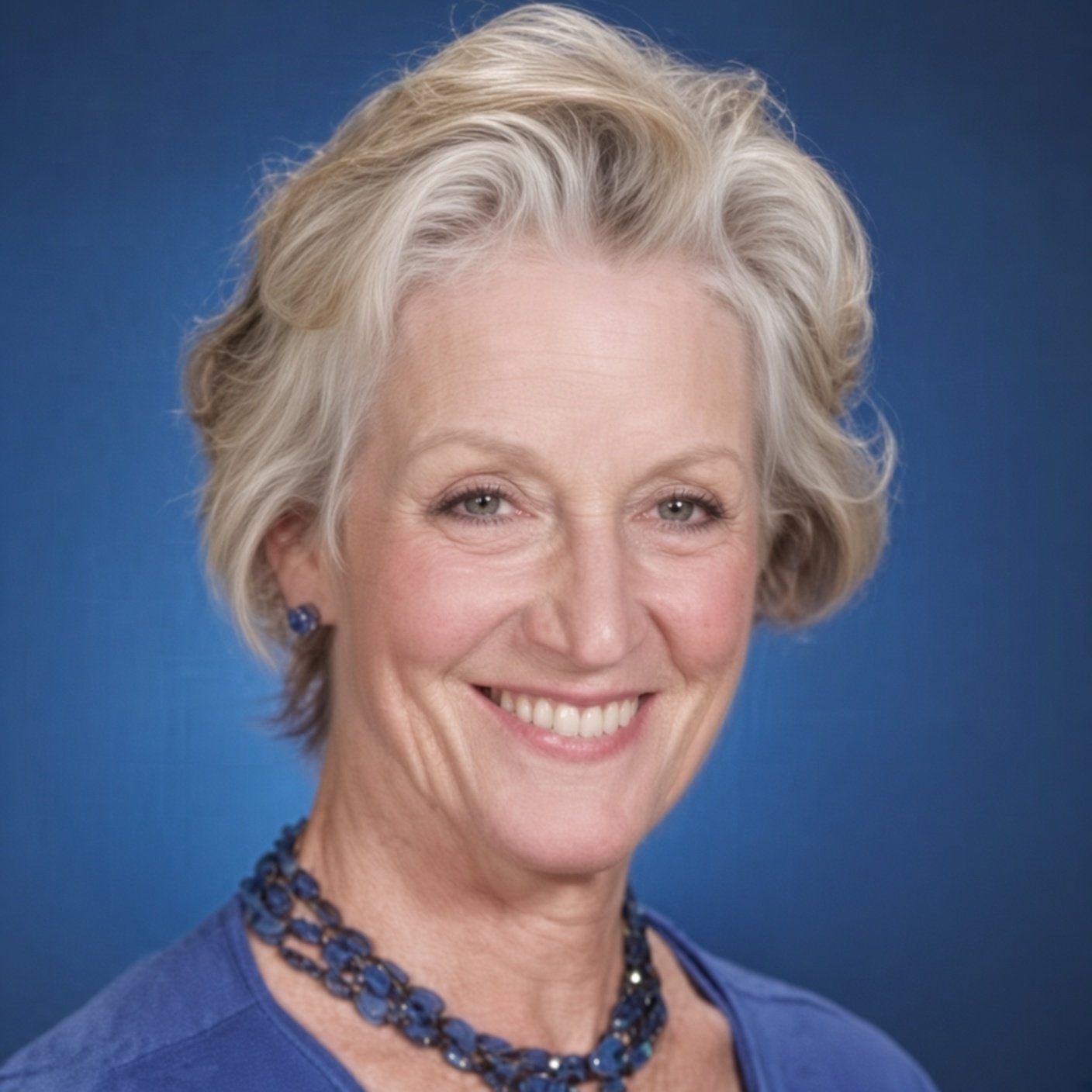
Medical innovation depends on more than scientific discovery. It requires physicians and regulators who can evaluate evidence, identify risks, and translate complex findings into decisions that protect patients. Janet B. Arrowsmith, MD, has built her career around those responsibilities, bringing expertise in internal medicine, epidemiology, and regulatory affairs to clinical practice, federal service, and independent consulting.
Since 2008, Dr. Arrowsmith has served as president and sole proprietor of Arrowsmith Consulting, LLC, in Corrales, NM. She provides epidemiological and regulatory consulting to companies regulated by the U.S. Food and Drug Administration, along with consulting services in legal matters. Her work draws on a professional perspective shaped by direct patient care and experience across several FDA centers.
Before establishing her current practice, she served as president of Arrowsmith-Lowe Consulting, LLC, from 1999 to 2008. The firm specialized in drugs, biologics, and medical devices, allowing her to apply medical, regulatory, and epidemiological expertise on behalf of companies, law firms, and National Institutes of Health advisory committees.
Dr. Arrowsmith began her FDA career in 1984 as a medical epidemiologist assigned to the Center for Drug Evaluation and Research during her Centers for Disease Control and Prevention epidemiology fellowship. Through 1988, she helped assess adverse events associated with marketed medications and participated in infectious disease and other outbreak investigations. That work contributed to reports published in peer-reviewed medical literature. From 1991 to 1993, she worked in the FDA’s Antivirals Division, assisting with the review of the second drug approved to treat HIV/AIDS. As the division’s human safety officer, she authored the section of the drug’s initial labeling addressing pancreatitis.
Her responsibilities subsequently expanded into medical devices and biologics. As acting director of the Office of Surveillance and Biometrics within the Center for Devices and Radiologic Health from 1993 to 1995, she hired staff, worked with industry to refine reporting regulations, and directed investigations into adverse events involving medical devices.
From 1995 to 1996, she served as a medical review officer in the Center for Biologics Evaluation and Research. There, she was the primary author of the first patient consent form addressing transplantation of nonhuman organs and tissues into humans. She also provided regulatory oversight of biologic products, including snake antivenins, and served on the FDA’s MedWatch Coordinating Committee, helping develop a publicly accessible adverse-event reporting database.
Alongside her regulatory work, Dr. Arrowsmith remained committed to clinical care. From 1996 to 1998, she served as a senior specialty consultant and primary care provider at the Mescalero Indian Health Service Hospital. As a commissioned officer in the U.S. Public Health Service, she cared for members of the Mescalero Apache community. She later practiced at Internal Medicine Associates in Ruidoso, New Mexico, providing comprehensive care in a rural setting. These experiences reinforced the practical importance of accessible health care and the connection between public policy and individual patients.
Her contributions to HIV/AIDS care represent another substantial chapter. As senior medical officer for HIV at the Agency for Healthcare Policy and Research, she established an expert panel to develop diagnosis and treatment guidelines for primary care physicians. She also played a central role in developing the AIDS Clinical Trials Information Service, the first publicly available source of information on active HIV/AIDS clinical trials. For eight years, she volunteered as a primary care provider at a community HIV/AIDS clinic in Washington, D.C.
Dr. Arrowsmith earned a bachelor’s degree in zoology from Duke University in 1971 and her medical degree from Tulane University in 1979. She completed an internal medicine residency at the University of Alabama at Birmingham in 1982 and was selected for a CDC epidemiology fellowship in 1984. She is board-certified in internal medicine and remains licensed to practice medicine in New Mexico. Her interest in medicine was influenced by her father, a hematologist-oncologist, and strengthened by post-college research examining federal funding gaps in Louisiana’s Charity Hospital system.
Teaching and scholarship have remained consistent elements of her career. She served as a clinical instructor at Georgetown University from 1986 to 1996, was a visiting professor of epidemiology at an international meeting in Erice, Italy, and has lectured at Temple University and Rutgers Business School. She currently serves as a clinical assistant professor in the Community Faculty Department at the University of New Mexico School of Medicine. Her publications include contributions to CDC textbook chapters, an early pharmacoepidemiology textbook, and peer-reviewed scientific articles. She has also mentored younger scientists and maintained elected fellowship in the American College of Physicians and the American College of Epidemiology.
Beyond medicine, Dr. Arrowsmith has supported efforts addressing human trafficking, community needs, and inadequate prison health care. Her service includes leadership with New Mexico Organized Against Trafficking Humans and board positions with Trinity House Catholic Worker and Prison Lights, Incorporated. Selected for inclusion in Carrington Who’s Who, Dr. Arrowsmith’s career reflects scientific judgment and public responsibility. Across consulting, regulation, clinical care, and advocacy, her work connects the evaluation of medical evidence with the lives of the people it is intended to serve.